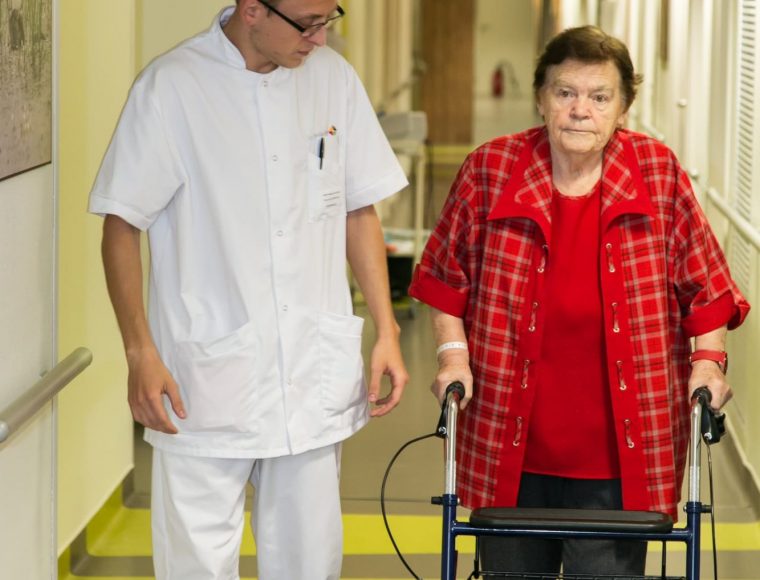
Intended for patients of all ages, the aim of our medical care and rehabilitation establishments is to help people who require treatment of some kind to regain their independence, adapt to their new conditions and get back into employment, following a period of hospitalisation (whether long or short) or a surgical operation or as part of the monitoring of a chronic disease.

forme

FIND OUT MORE ABOUT OUR MEDICAL AND REHABILITATION CARE CENTRES

Our medical care and rehabilitation clinics, which specialise in one or more disciplines, are spread across the whole of France and Poland.

Find out more about our establishments

Medical care and rehabilitation (SMR)

Medical care and rehabilitation units help patients regain their independence after surgery, extended hospitalisation, accident or when suffering from a debilitating chronic disease.

Ensuring global and personalised care, our facilities have three main goals: the rehabilitation, adaptation and reintegration of our patients. The objective is to limit or prevent the medical, social, functional, psychological and cognitive consequences suffered by our patients.

Previously known as ‘medium-care’ structures, our post-treatment and rehabilitation structures can be divided into two main categories: general and specialised. While the former offer general care, the latter focus on a specific type of pathology or target group, such as elderly people or cancer sufferers, to offer care and treatment that is fully tailored to their needs. All our facilities have a common set of general treatment solutions.

Highly qualified and specialised medical teams
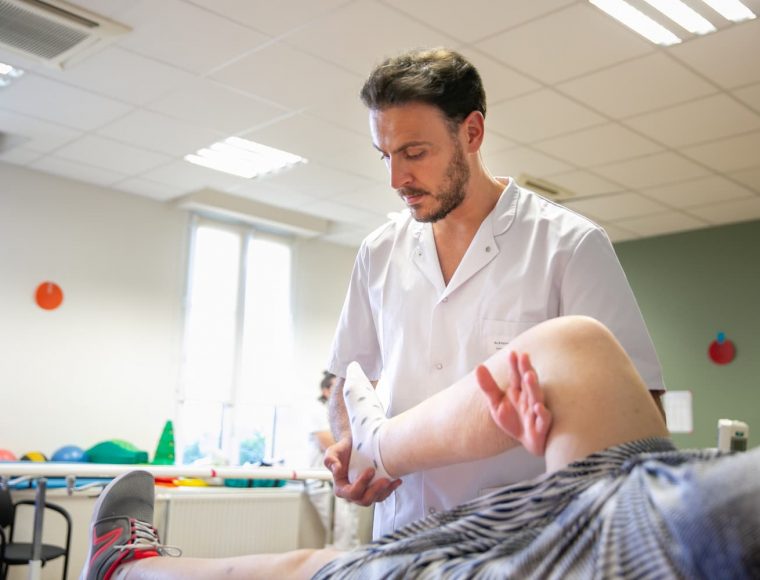
The patients cared for in our medical care and rehabilitation structure benefit from care provided by a multidisciplinary medical team composed of highly qualified and specialised professionals: specialist doctors (neurologists, oncologists, geriatricians, physical medicine and rehabilitation doctors, dermatologists, gastroenterologists, endocrinologsists, cardiologists, general practitioners, etc.)

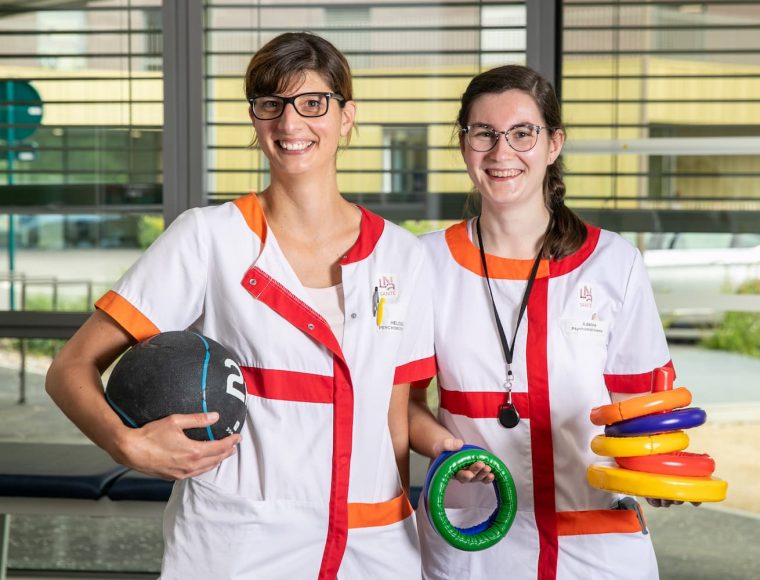
This team of experts, working together to implement the care plan and empower the patient, is bolstered by nurses, health support staff, professionals from the paramedical sector and rehabilitation experts (dieticians, psychomotor therapists, psychologists, speech therapists, physiotherapists, social workers, adapted physical activity coaches, etc.).


INNOVATIVE AND HIGH-PERFORMANCE TECHNICAL EQUIPMENT

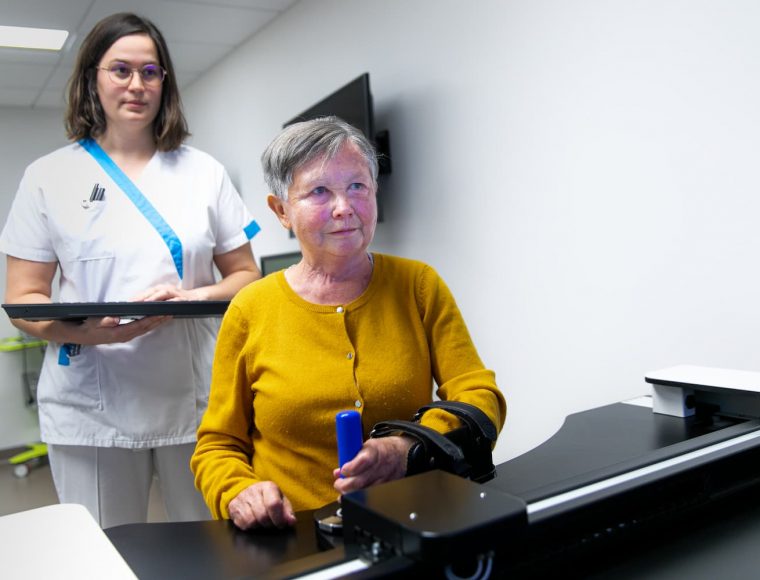
In all our post-treatment and rehabilitation centres, our highly qualified medical and rehabilitation teams can rely on cutting-edge technical equipment. Efficient and scalable, this infrastructure, with its state-of-the-art equipment, facilitates the provision of rehabilitation and medical diagnoses directly on site.

Here are a few examples of the equipment available in our medical care and rehabilitation centres:

  • Re-education, muscle strengthening and physical rehabilitation rooms
  • Occupational therapy equipment
  • Artromot
  • Physiotherapy and physical activities and sports gym
  • Psychomotor therapy room
  • Driving simulator
  • Walking robot
  • Raising and walking rehabilitation tables and rails
  • Isokinetic platform
  • Wii-therapy platform
  • Virtual reality
  • Serious Games
  • Well-being space, relaxation sessions and sophrology
  • Hydrotherapy space, balneotherapy
  • PFT (pulmonary function testing)
  • Effort test (V02 max)
  • Adapted sport activities, disabled sport sessions

The specialisations of our clinics

All our medical care and rehabilitation establishments are specialised, with specific expertise of high added medical value. At the heart of the LNA Santé business project, this systematic specialisation allows our patients to benefit from cutting-edge technical equipment and healthcare professionals specifically qualified to treat their condition, located near to their home. Our LNA Santé establishments cover eight of the nine specialisations encompassed within the legal framework of medical care and rehabilitation establishment.

HIGHLY SPECIALISED ESTABLISHMENTS

Thanks to our offer of highly specialised structures, we can provide personalised support for various types of conditions:

  • Cardiovascular conditions (coronary diseases, heart failure, post-heart surgery care)
  • Musculoskeletal system conditions (degenerative diseases, spinal trauma, limb amputation, musculoskeletal issues, joint infections, trauma injuries to the musculoskeletal system)
  • Polypathological conditions among elderly people
  • Disorders of the digestive, metabolic and endocrine systems (obesity, eating disorders, type 1 and 2 diabetes, severe malnutrition, recovery after digestive surgery)
  • Nervous system disorders (strokes, neuromuscular pathologies with specific associated disorders, neurodegenerative conditions, cerebral palsy)
  • Conditions connected with addictive behaviours (behavioural addictions, dependences on natural or synthetic substances)
  • Haematological/oncological disorders (consolidation of the patient’s state of health prior to treatment, limitation of the consequences of treatment, pain management)
  • Respiratory diseases (severe asthma, sleep apnoea, cystic fibrosis, fibrosis, COPD, PAH, respiratory complications).

The missions of our medical care and rehabilitation centers

⒈ Medical care

Proposing long-term, or palliative, care and/or diagnostic procedures, before or after hospitalisation or direct from home.

⒉ Rehabilitation

A treatment plan structured around three objectives: functional and psychosocial rehabilitation, environmental compensation and adaptation and patient reintegration.

⒊ Transition

Offering social support to dependent patients, so they can stay as independent as possible while awaiting adapted accommodation.

⒋ Prevention

Supporting patients and their loved ones in understanding their new status, to improve quality of life and prevent relapses.

⒌ Coordination

Fostering multidisciplinary care and a fluid patient pathway, through complementary internal and external coordination.
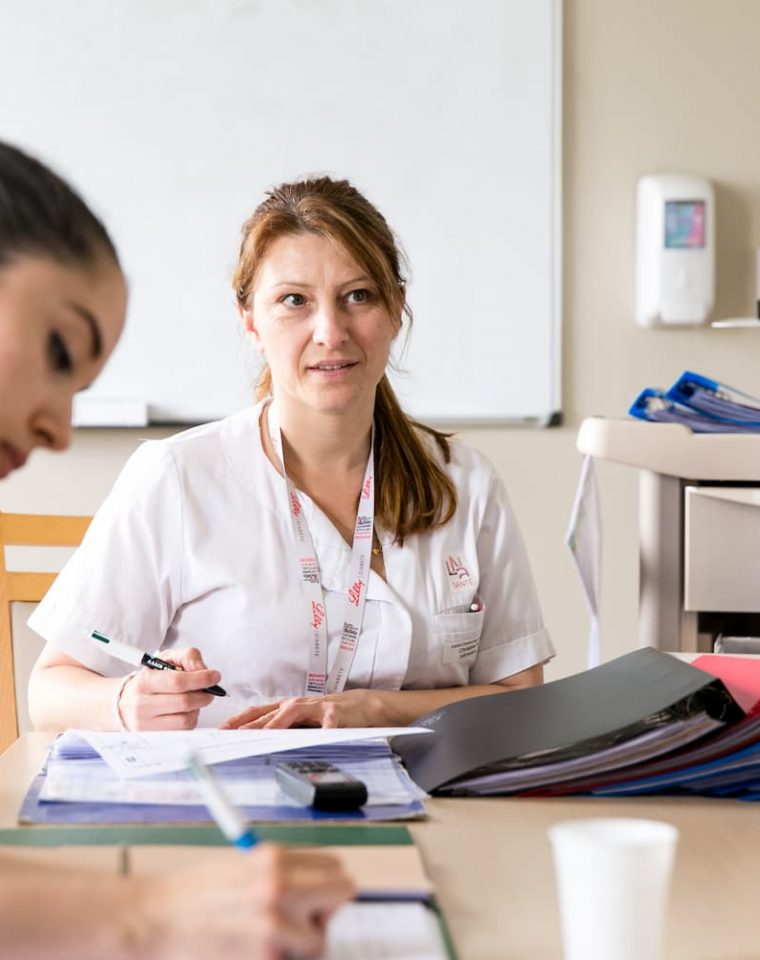
Medical care and rehabilitation establishments committed to patient satisfaction

Healthcare establishments specialised in supporting patients suffering from chronic diseases or post-hospitalisation, our SMR meet all the key commitments which have forged the reputation of LNA Santé.

RISK MANAGEMENT

Organised and coordinated by a quality cell, the main aim of managing risks connected with patient care and support in our establishments is to improve the safety and security of people and property. There are 3 main strands to our risk management:

  • The definition and implementation of a safety policy;
  • Preventing risks for SMR establishment teams;
  • The automatic reporting of undesirable events, with the analysis and treatment of detected risks.

QUALITY APPROACH

Our establishments are also committed to a continuous improvement approach with regard to the quality and safety of care provided by our teams, as well as in the evaluation of professional practices. The objective: to develop a genuine ‘culture of quality’ within our teams to offer our patients ever-improving quality of care that takes specific account of their needs.

THE COMITÉ DE LUTTE CONTRE LA DOULEUR

The Comité de Lutte contre la Douleur (Pain Management Committee – CLUD) defines the pain management policy and coordinates the measures implemented within our establishments. In particular, the CLUD is responsible for developing the commitment of our medical and paramedical teams in the assessment of pain, but also for its prevention, relief and treatment.

The types of hospitalisation

Our medical care and rehabilitation establishments offer two types of hospitalisation, as well as external consultations, to meet the specific needs of our patients and the complexity of their conditions.

FULL HOSPITALISATION

Lasting for 3 weeks, which can be extended to up 6 months for the most serious conditions, full hospitalisation is aimed at patients who need major rehabilitation and re-education sessions, as well as regular care provided by nurses and caregivers. Including overnight accommodation, full hospitalisation is a period of medical and psychological transition between hospitalisation in a hospital or clinic and the patient's return home, professional reintegration or transfer to another establishment (Care home, etc.).

DAY HOSPITALISATION

Aimed at patients with a certain level of independence, day hospitalisation is organised around several half-day treatment sessions spread throughout the week, according to a schedule defined in advance, at the time of admission. Once the sessions have been completed, the patient can simply return home.

Reserved for patients who live within 50 km and 30 minutes from an SMR establishment, day hospitalisation can be prescribed after full hospitalisation or as part of direct admission, after consultation with a doctor from an SMR.

EXTERNAL CONSULTATIONS

In addition to full or day hospitalisation, several SMR also offer local people the chance to access cutting-edge expertise in external consultations. Accessible by simply booking a meeting, unlike hospitalisations which require a medical prescription, these external consultations allow patients to benefit from the expertise of pulmonologists, dental surgeons, orthodontists, cardiologists, nephrologists, radiologists, physical medicine and rehabilitation physicians, geriatric doctors, visceral surgery specialists, etc.


Who can benefit from the services of medical care and rehabilitation services ?

Medical care and rehabilitation services are aimed at patients with pathologies and conditions suffered after an accident or illness. This may include, for example, neurological, cardiovascular, respiratory, oncological/haematological, metabolic or endocrine, poly-pathological or digestive conditions. SMR are also suitable for people suffering from degenerative diseases.

To be admitted, patients must not be ineligible for remaining in their own home: geographical location, social isolation or associated pathologies. They must also come from a short-stay establishment (hospital or clinic) or have a medical prescription from an attending physician.

How admission works ?

Depending on the analysis of the medical file, admission to post-treatment and rehabilitation centres differs depending on the profile of the patient, and the rehabilitation, or prevention, actions necessary.

If a patient is admitted to an establishment following surgery or a stay in hospital lasting at least 48 hours, it is the doctor of the facility in which he or she stayed that makes a request for admission to the medical and rehabilitation center. In other terms, patients do not have to perform any formalities themselves.

Conversely, if the patient has not been hospitalised or had surgery beforehand, but his or her condition requires a stay in an medical and rehabilitation center, a pre-admission request must be submitted in in due form to his or her attending physician or a specialist doctor. The latter must complete the file with various key elements: reasons for the stay, medical history, current course of treatment, etc.

In any event, admission to an medical and rehabilitation center is subject to the judgement of the Medical Committee after careful analysis of the patient’s file.

Discover our healthcare solutions near you

LNA Santé has over 80 establishments in France, Belgium and Poland